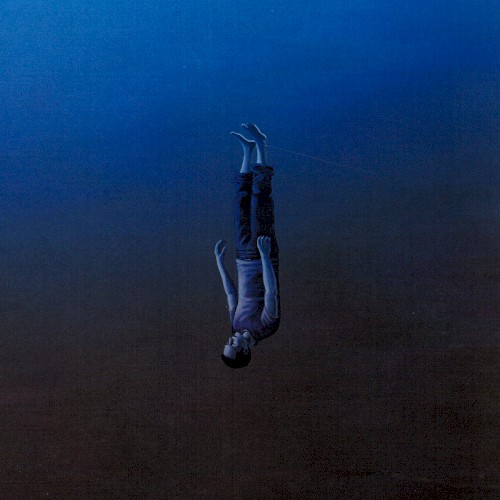
Angst
Todtgelichter
- Style
- Progressive/Black Metal
- Label
- Aural Music/Code666
- Year
- 2010
- Reviewed by
- Charles
Angst presents eight tracks traversing varied terrain, beginning heavily with the intense rumble of Café of Lost Dreams. A smouldering rhythm section is cooled unexpectedly by the clear female vocals that wash over it, releasing a gush of sustained-synth steam. As we get further into the album, the musical centre of gravity shifts towards a more relaxed take on the types of fusion sounds pioneered by the bands mentioned above (it’s more blackened prog than progressive black). Songs frequently take the form of bouncing, almost indie riffing, given black metal weight by a double-kick percussive battery and hoarse, harsh vocals. The echo-heavy lead guitar lines which whistle and wail overheard are a recurrent trademark and never fail to imbue the sound with a rich sense of texture and harmony. At times, as on (most of) Neon we ditch any semblance of metal to wander into the lands of graceful gothic pop, with Marta’s singing, relaxed backbeat and ambient, rippling lead meandering giving it the feel of The Gathering had they further explored the catchier moments of their mid-period albums.
Such is the effectiveness of Todtgelichter’s use of these ethereal lead guitar textures that even the crunching weight of heavier tunes like Subway feel incomplete until engaging melodic ideas and unusually tasteful keyboards are allowed to bleed back in and enrich the sound. Moloch is restlessly immense, shifting throughout its eight-minute length between imposing and weighty rock riffing, throaty German anguish and luxurious swaths of synth. The final two minutes takes us into a wonderful explosion of mellotron and meditative vocal harmonies that would truly grace a record like Opeth’s Damnation.
This is an excellent release, which should demand the attention of any metal listener with an ear for melody, let alone those who have been following the journeys of black metal into new realms with any level of enthusiasm.
Reviewed by Charles — October 24, 2010