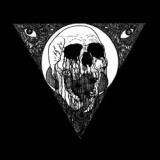
Vermin to the Earth
Thrall
- Style
- Black Metal
- Label
- Moribund Cult
- Year
- 2011
- Reviewed by
- Charles
Largely, though, it all seems to make perfect sense. There are a few things you can do with this sort of groove-laden apparatus. Sometimes, they aim squarely for an almost-danceable rock sensibility, as with Oblivion. Here, the pogoing guitar lines are knuckleheadedly appealing, and the vocal chants are an ultra-straightforward rhythmic chant. Other times, though, Thrall drag out a brooding, creepy side, the potential for which is surely implicit within their down-tempo approach. Disease’s Maiming Caress is a maggoty feast of tortured guitar chords and shambling drum clumping, which despite its slow-burning, oppressive nature, never breaks out of the hard-grooving mold. Mass Extinction sees a jarring, funereal drum pattern trudge along beneath worming and wailing treble lead guitar lines.
Throughout, the sound does display a certain degree of depth which lends it distinctiveness, though not enough to justify the occasional Deathspell Omega comparisons (these are way off, by the way). One intriguing element is the sickly, faded lead guitar contributions which resurface periodically. They wail, agonisingly, over the splendidly woebegotten opening crashes of Plague of Man, and their repetitive squall colours the dour blasting of Ecstasy Not of the Flesh a putrid grey. Add to this the electronic twinge which lurks behind the more energetic numbers (like the opening title track), and you have an interesting, creative take on black metal.
The problem though, which prevents this upgrading from “good” to “excellent” is the lack of dynamics. This is hardly unusual with black metal, of course. But when so many of your tunes are based around trudging slow tempos and thumping, repetitive riffs, then the relative absence of clear, well-handled builds from soft to loud is felt more keenly. Vermin to the Earth is eminently worth hearing: a black metal record with its own voice and a powerful sound, though it lacks a certain compositional depth that could elevate it to greatness.
Reviewed by Charles — October 23, 2011